Restoration of a Modernist façade using traditional materials
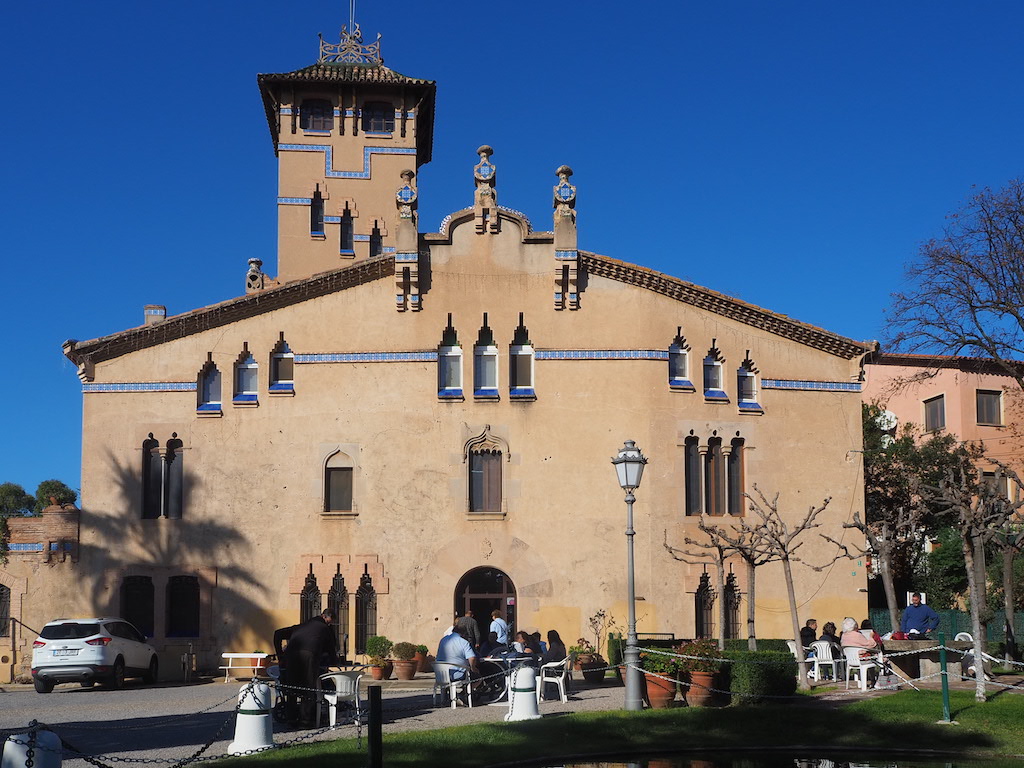
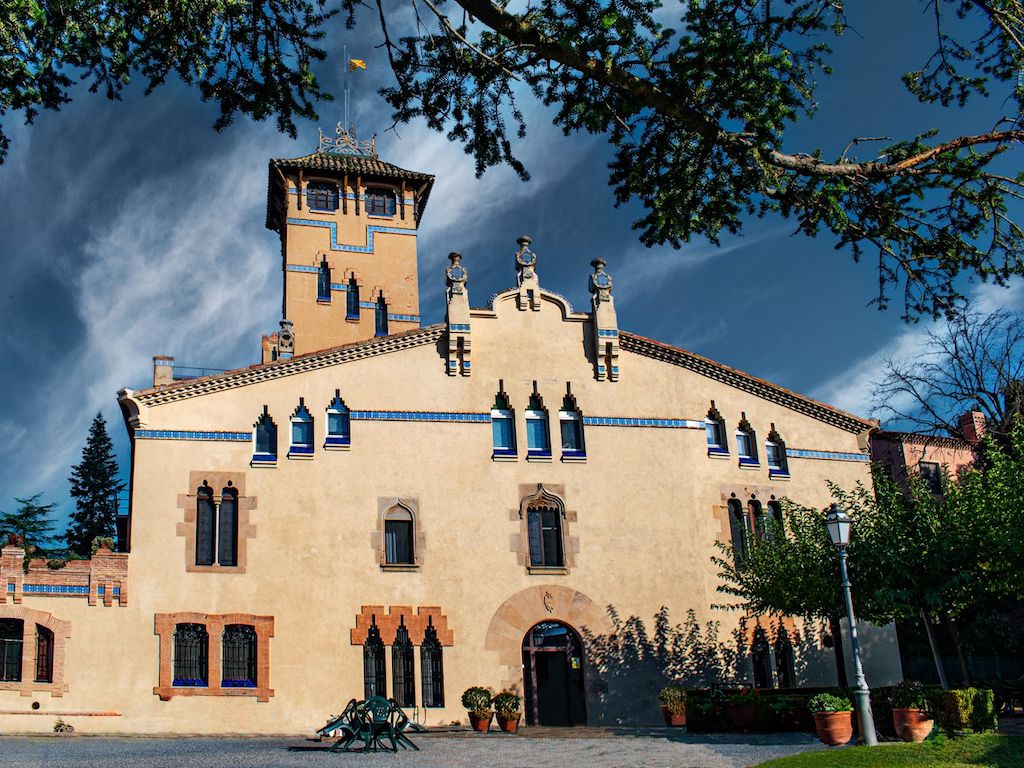
In 1908, Joan Millet commissioned the Modernist architect Manuel Joaquim Raspall i Mayol to carry out a complete remodeling of a farmhouse in L’Ametlla del Vallès: Can Xammar de Dalt, in keeping with the style of the period—Modernisme (Catalan Art Nouveau).
The farmhouse is currently in the process of being listed as a heritage property and stands out for the pinnacles on the gable ends and its lookout tower, typical of Modernist garden houses.
The main façade incorporates some Gothic elements, such as the voussoired arched doorway and the paired and ogee windows on the first floor, along with trencadís and ceramic work complemented by wrought-ironwork on the windows and balconies.
The owners have chosen to recover the building’s artistic and heritage value and have promoted the restoration of the main façade. The building is currently used as a residential care home for the elderly.
At Biohabita!, we have been commissioned, as architects, to carry out this rehabilitation. Since this is a heritage restoration, the construction techniques used are also those we employ in bioconstruction.
Restoration process:
First, all areas where the existing render had lost adhesion were chipped off, along with sections of Portland-cement mortar that had appeared as a result of past repair works. After this, the areas that were removed were re-rendered and some ceramic pieces were replaced.
This new mortar, similar to the original, was made by mixing air lime mortar and hydraulic lime mortar with dark-stone aggregates, thereby achieving a mortar with the same performance and an appearance virtually identical to the original.
Some solid ceramic bricks that were in poor condition were also restored—replacing them with new ones in some cases, and in others rebuilding them with NHL 3.5 lime mortar. The window sills featured a dark navy-blue glazed ceramic piece, missing in some places and cracked in others. Pieces with the same appearance were found and reinstated.
Finally, a limewater wash (CL90) with a natural pigment was applied, which helps blend the original and new mortars without covering the characteristic textures of the historic renders.
The work was carried out by the company CaOh2